
Stopping plastic in rivers. Before the sea.
Patented floating barriers that steer waste to the riverbank, where it is collected and sent for recycling. We’ll design the right barrier for your river.
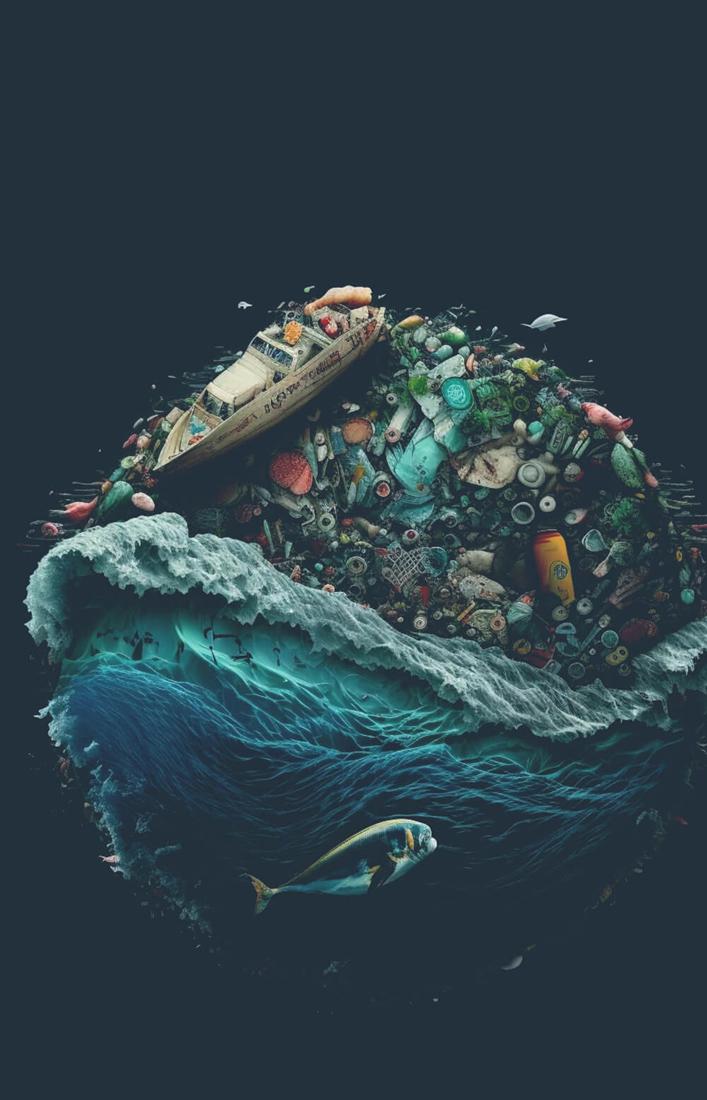
By 2050, the oceans could hold more plastic than fishEstimate by weight: Ellen MacArthur Foundation, “The New Plastics Economy” (2016)
of the plastic that rivers carry to the sea comes from around 1,000 rivers, many of them small and close to towns and cities. That’s where SEADS steps in.Source: Meijer, Lebreton et al., Science Advances (2021)

Meet the Blue Barriers
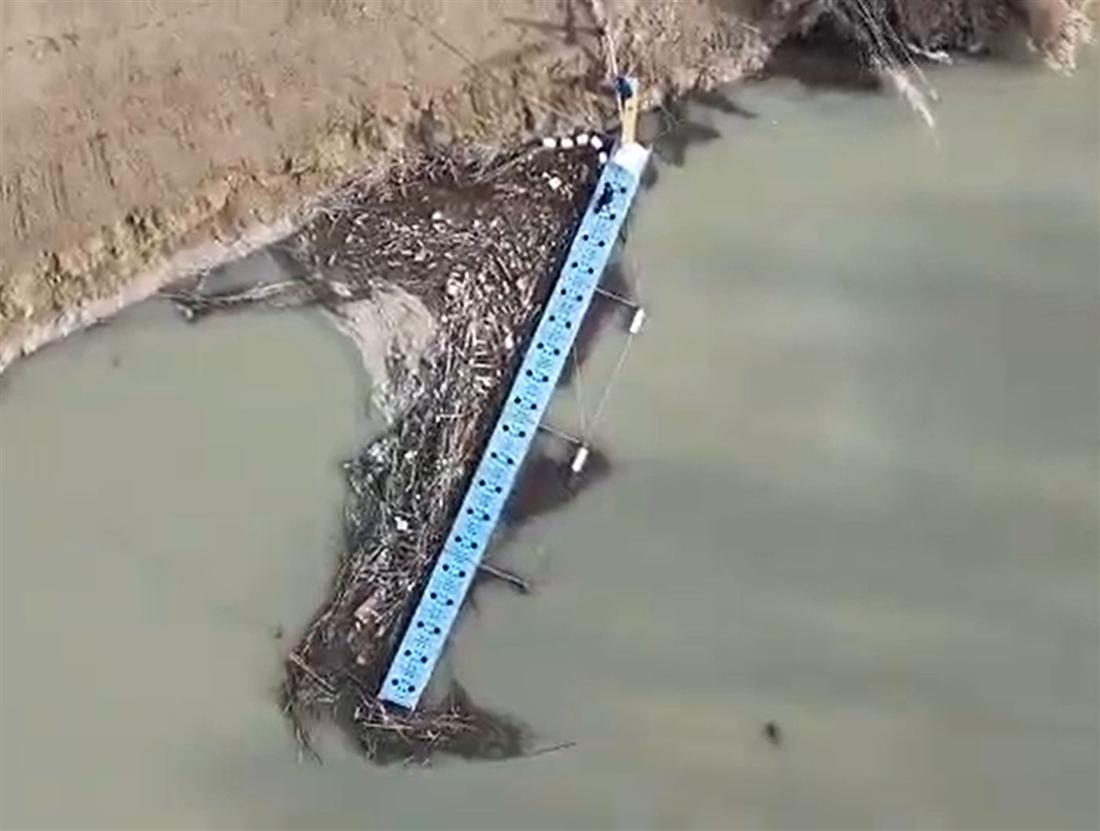
Blue Barriers are a patented, award-winning technology that stops plastic in rivers and steers it to the bank, where it gathers on its own.
No. 1 in Italy for barriers installed: 15 at work on 12 rivers and canals, from Veneto to Sicily.
See how it works →Why choose Blue Barriers

Built for rivers, 100% in lab tests
Patented for the floating waste carried by rivers. In University of Florence lab tests (2020) they held back 100% of the plastic.

Minimal impact on the river
They catch waste below the waterline too, down to one metre, while letting fish pass; boats go through the gap left open.

At work through floods too
Floods are when rivers move the most plastic: on the Meuse, in the July 2021 flood, more than a third of a year’s plastic passed in just 6 days (Nature Water, 2023). Blue Barriers keep working through seasonal floods.

Safe, always
In a flood, an automatic safety system repositions them parallel to the riverbank. Solar-powered cameras monitor them remotely.

Trap microplastics too
Organic materials act as a net and hold back even the smallest fragments.

Drive a circular economy
The plastic collected becomes a resource and creates jobs for local communities.
Your turn: switch on the barriers
Two floating barriers, set at an angle and staggered, use the current: the first pushes waste onto the second, which carries it to a single collection point on the bank. A gap between them stays open for boats, while water and fish pass underneath. When a flood comes, an automatic safety system repositions them parallel to the riverbank.
For illustration only: this simulation does not show real collection data.
Already at work, from Veneto to Sicily
Councils, water boards and regional authorities
We design and install the right barrier for your river, about two months after signing.
- 01Help designing a barrier for your river
- 02Optional automatic waste removal: conveyor belt, trash rake or mechanical arm
- 03Automatic safety system during floods
- 04Can also be funded by private sponsors, where possible
- 05Listed on MePA
What kind of waterway are you dealing with?
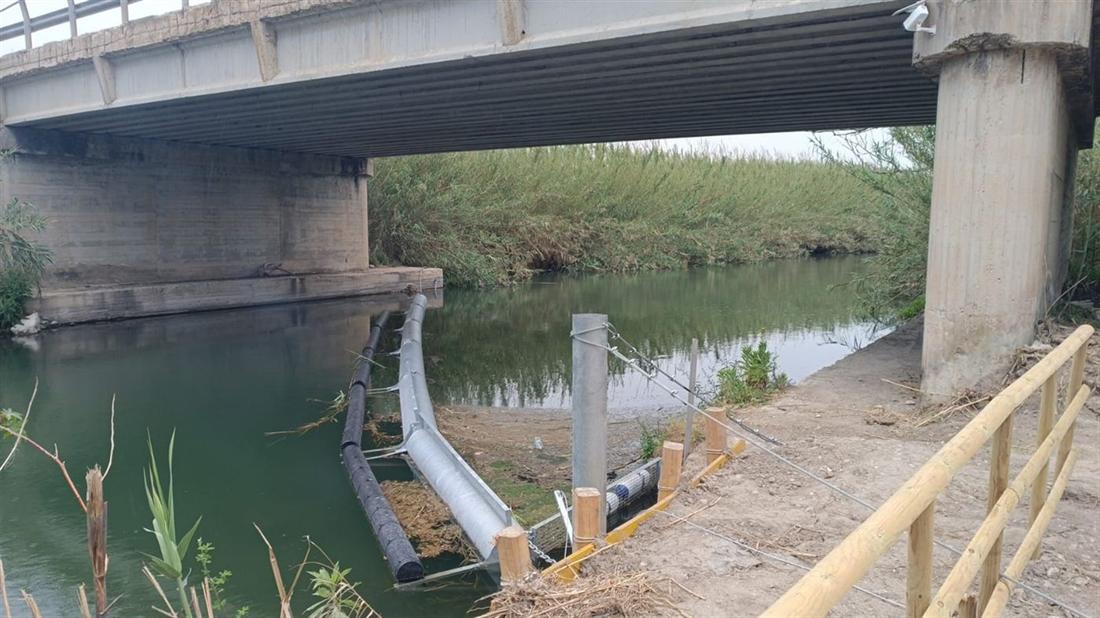
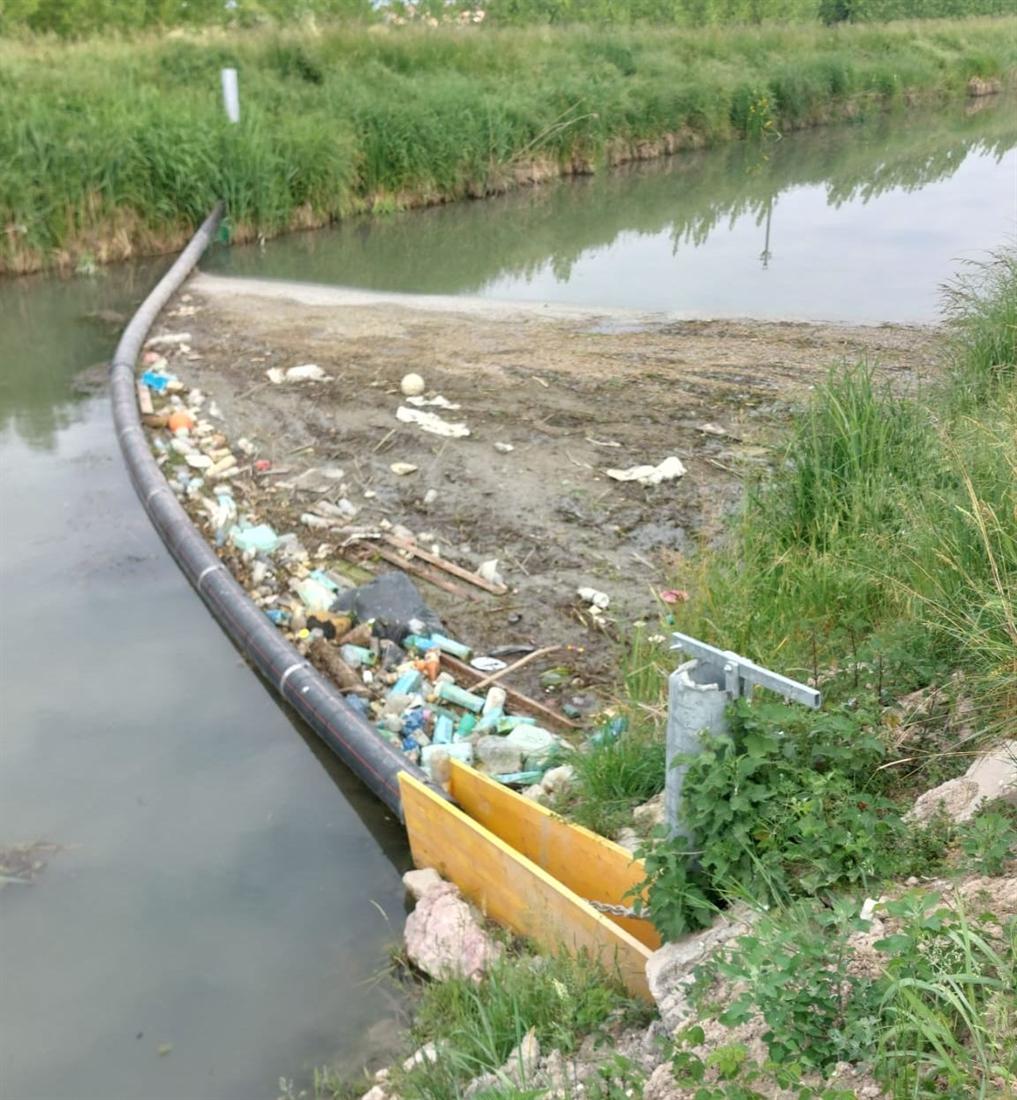
Three options
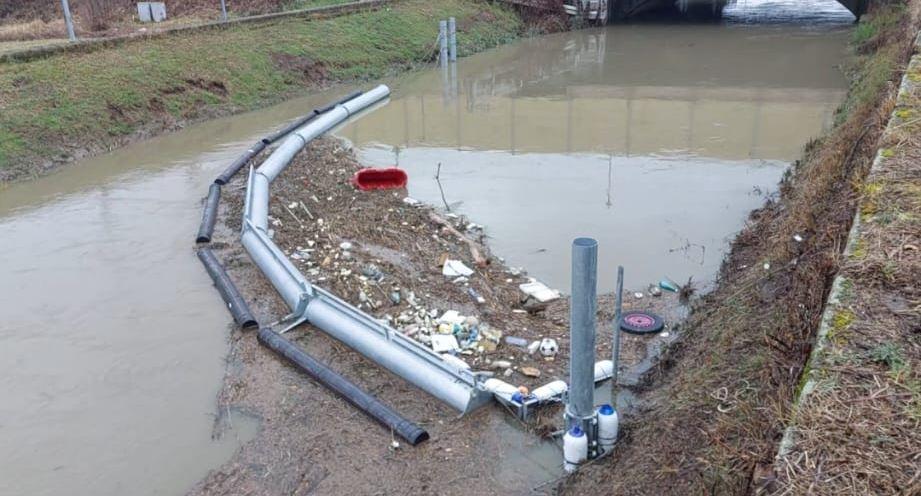
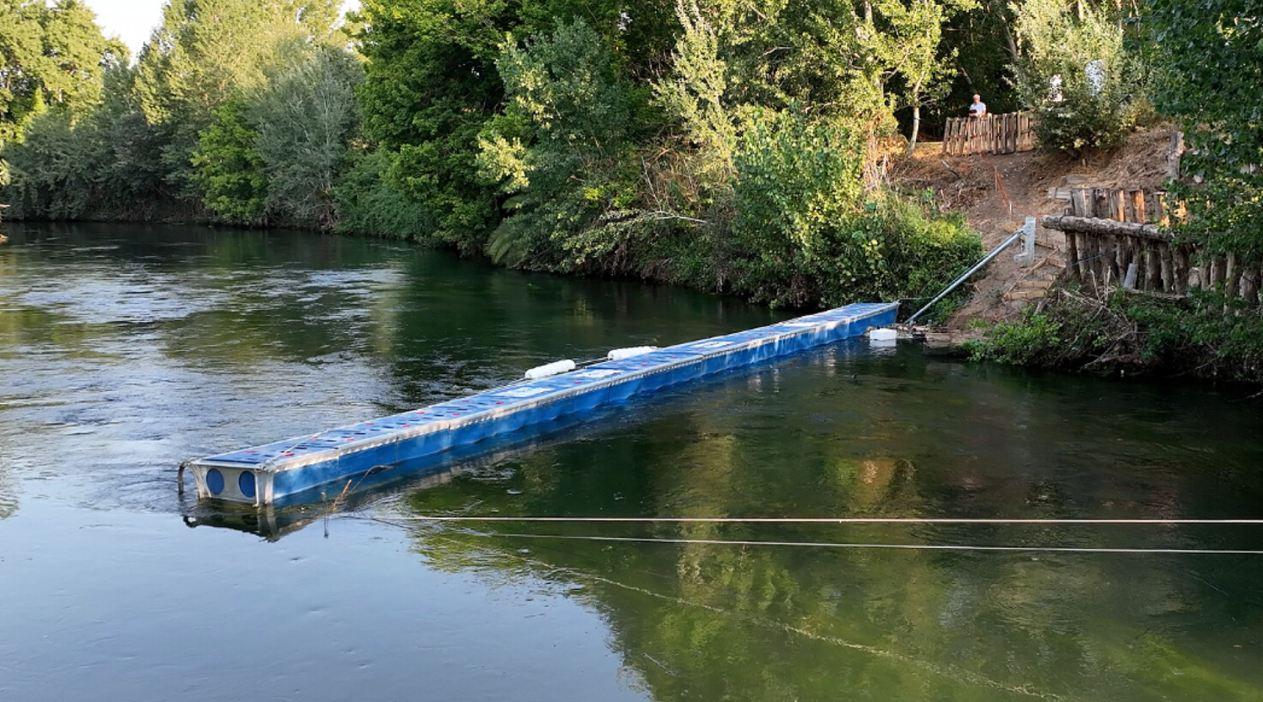
- Blue BarriersFloating modules on a steel frame, for wide, navigable rivers. In a flood, an automatic safety mechanism lines them up with the bank.
- Blue BoomsLighter barriers that are quick to install.
- Green Barriers In developmentThe nature-based version, made with natural materials.
Pictured: Blue Barriers on the Aniene, Rome
Where we work
Click a river to see its barrier.
In its simplicity, this technology has the potential to have a disruptive global impact on ocean plastic pollution.Nigel Tapper, 2021 Member of the IPCC, joint winner of the 2007 Nobel Peace Prize
Awards and recognition
Clear numbers. Named sources.
Councils and sponsors need numbers they can trust. That’s why we always say where ours come from.
Lab test
Run with the University of Florence in 2020: the barrier caught 100% of the plastic.
Field data
Since 2022, SEADS Blue Barriers have been part of the Lazio Region’s programme against waste in the Tiber and the Aniene. In three years, from 2019 to 2022, the programme collected more than 10.5 tonnes of waste, around 40% plastic, plus tyres, fridges and gas cylinders. Source: Corepla, 2022.
Impact assessment
The Upright Project confirms that SEADS contributes to SDGs 14, 12 and 8. Scientific partner: Politecnico di Milano.
Remote monitoring
Solar-powered cameras let us check every site remotely, at any time.
Questions we hear from technical teams
The barriers are spaced apart to leave a channel open, so boats only need to adjust their course slightly.
An automatic safety system kicks in and repositions the barriers parallel to the riverbank.
About two months from contract signing to installation.
Through a direct award or a public tender. SEADS is also listed on MePA, the Italian public procurement marketplace (code 20613533).
It depends on the width and the current. On large rivers we use Blue Barriers and Blue Booms; on medium rivers and canals, Blue Pipe as well, which also works for smaller budgets. We’ll design the right barrier with you.
Yes. The barriers are modular, so they can be taken apart and reused somewhere else, or added to other barriers.
Tell us about your river
Let us know which river or area you have in mind. We’ll get back to you within two working days.